Running a tree bubbler and a drip line on the same zone often causes problems, because bubblers deliver a high volume of water for deep root soaking while drip lines emit slow, precise moisture. If you combine the two, use pressure-compensated emitters to balance the different flow rates and avoid overwatering or runoff.
The Core Problem: Mixing High Flow and Low Flow
The core issue is a breakdown in hydrozoning, which means grouping plants with similar water needs. A tree bubbler puts out a concentrated stream of high-volume water to soak deep root balls. A drip line releases slow, metered moisture for shrubs and groundcover. When both share one zone, the run time that soaks a tree's deep roots floods the nearby shrubs, while a run time suited for the drip line leaves the tree dry.
Tree Bubblers: High Volume Deep Soaking
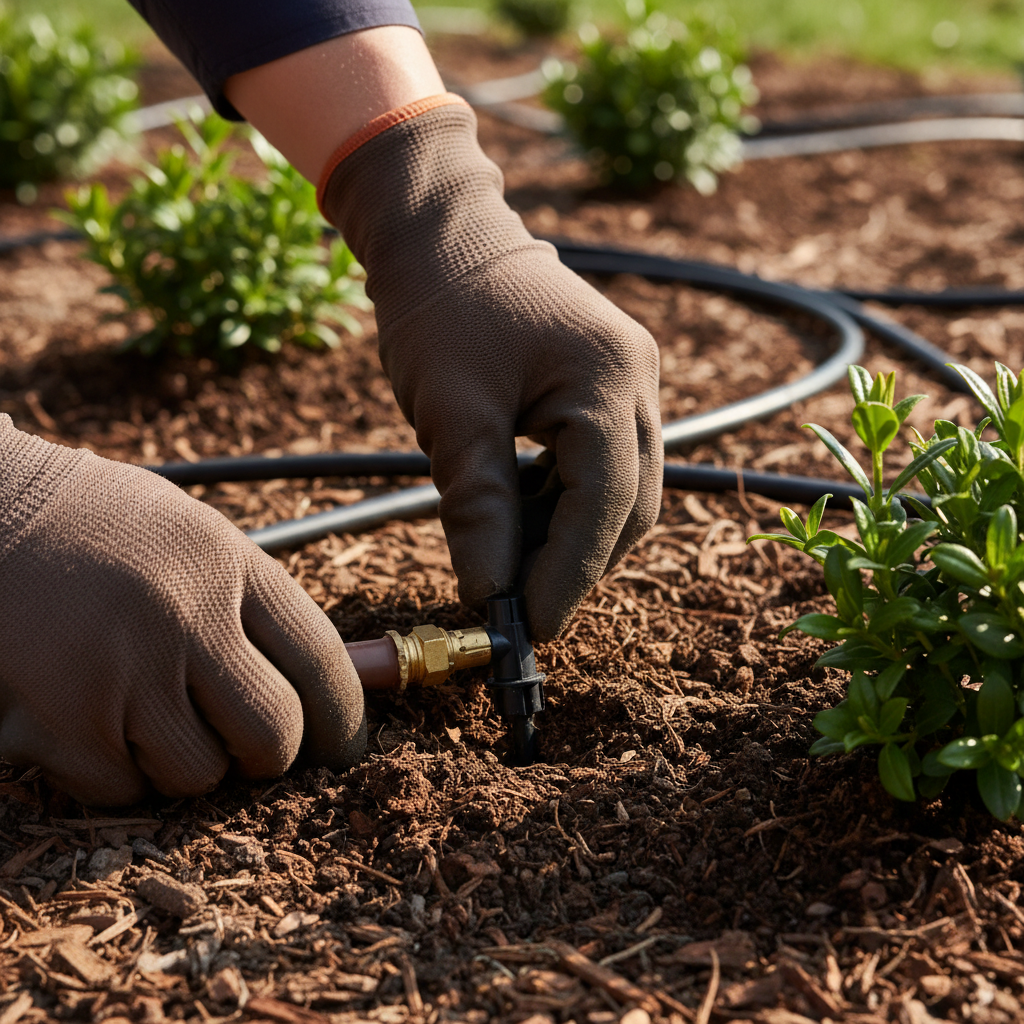
A tree bubbler delivers roughly 0.25 to 2.0+ gallons per minute (GPM), unlike drip emitters that measure output in gallons per hour (GPH). This concentrated stream wells up at the base of the plant, designed for the deep, vertical saturation that large specimen trees and heavy root balls need. In St. Augustine's sandy soil, bubblers reach the root ball fast with little evaporation, but the sand's poor lateral movement means the flow must be managed to avoid runoff.
Drip Line: Precision and Conservation
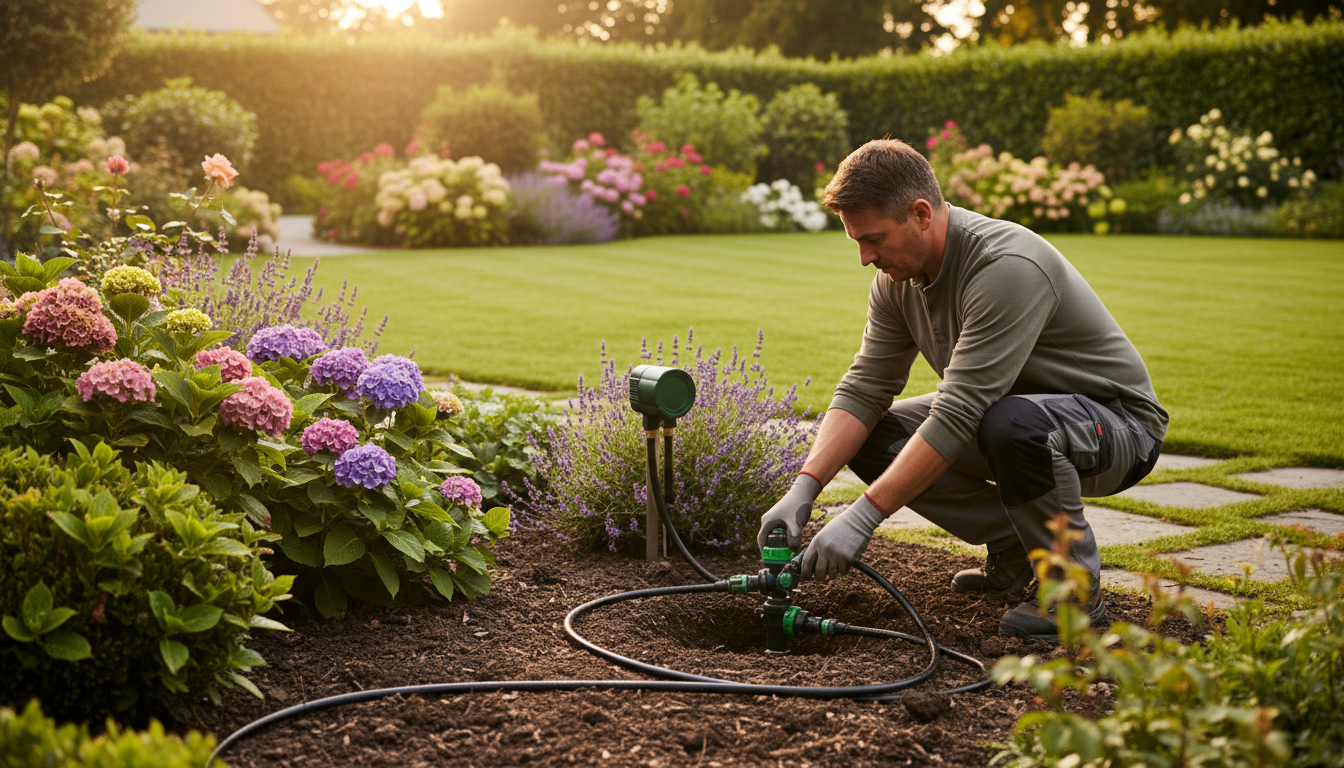
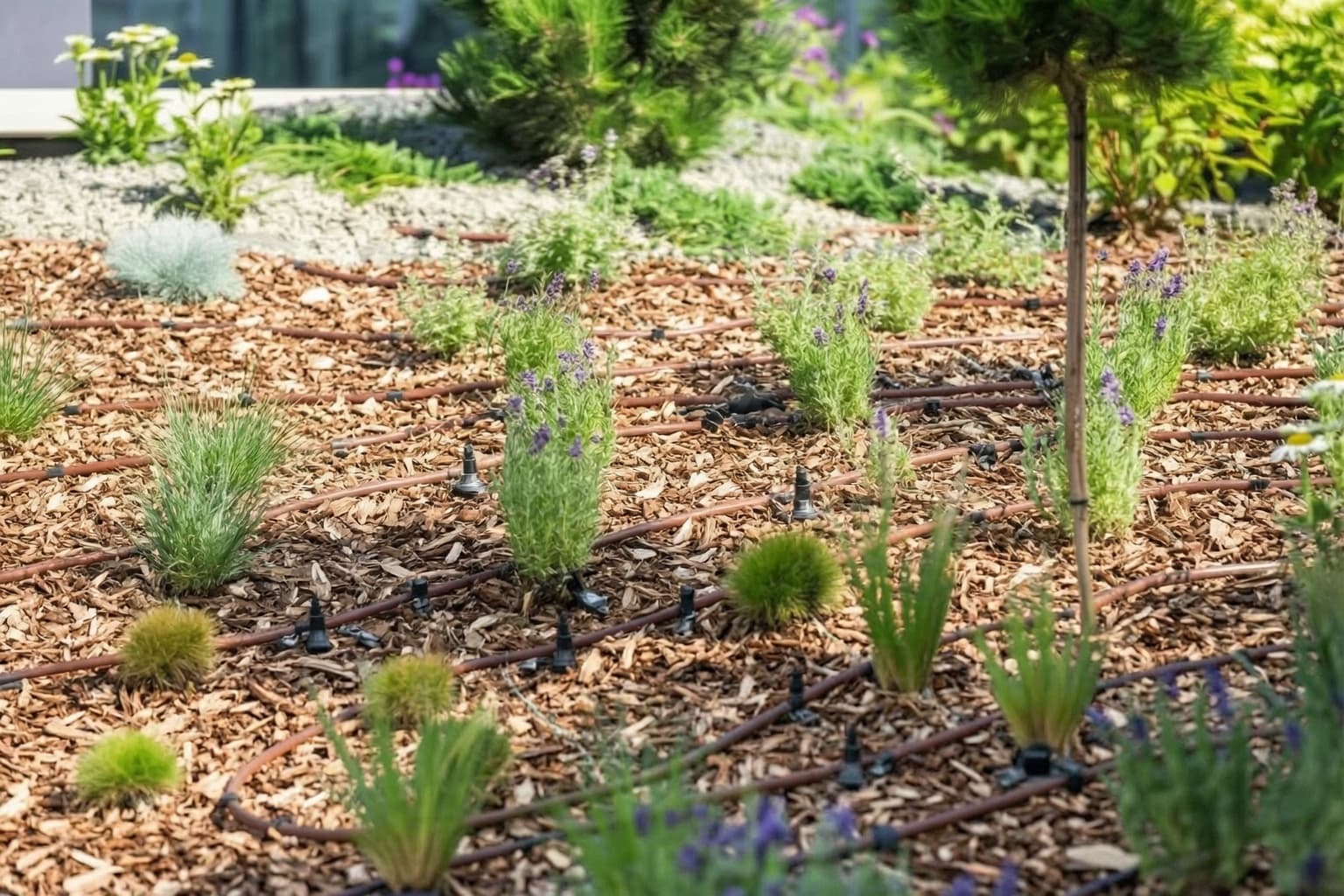
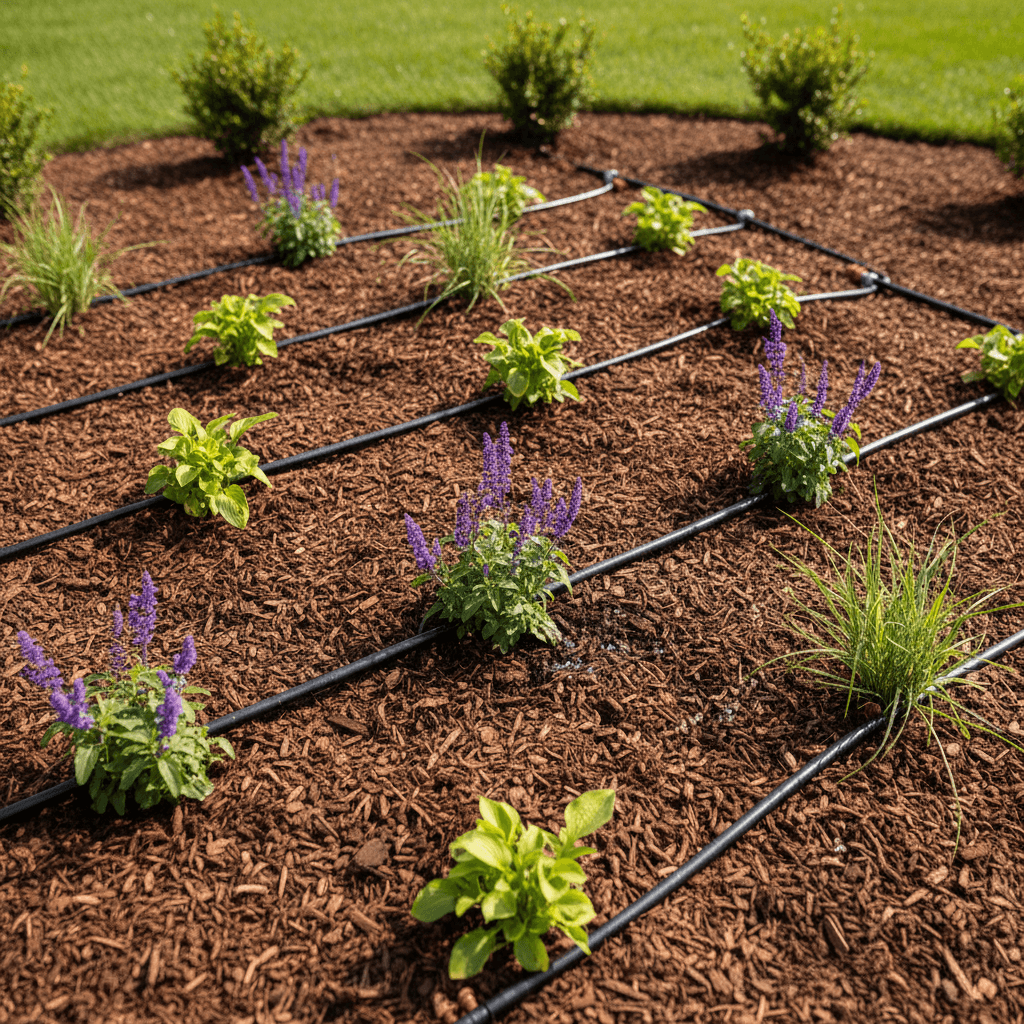
Drip line irrigation uses 1/2 inch polyethylene tubing with built-in, factory-spaced emitters that release water at 0.4, 0.6, or 0.9 gallons per hour (GPH). This slow, measured delivery lets the soil absorb moisture at its natural rate, which keeps ornamental shrubs and groundcovers healthy while cutting water waste by up to 50%.
Why Mixing Them Fails
The conflict comes down to a 60-to-1 math problem. A 1 GPM bubbler puts out 60 gallons for every 1 gallon a 0.9 GPH drip emitter releases in the same hour. Set the controller for 45 minutes to water the drip-fed shrubs properly, and the bubbler dumps 45 gallons, flooding roots and leaching straight through St. Augustine's sandy soil. Set it for a quick 5-minute tree soak, and the drip line releases only 0.07 gallons, barely wetting the mulch.
The Professional Fix
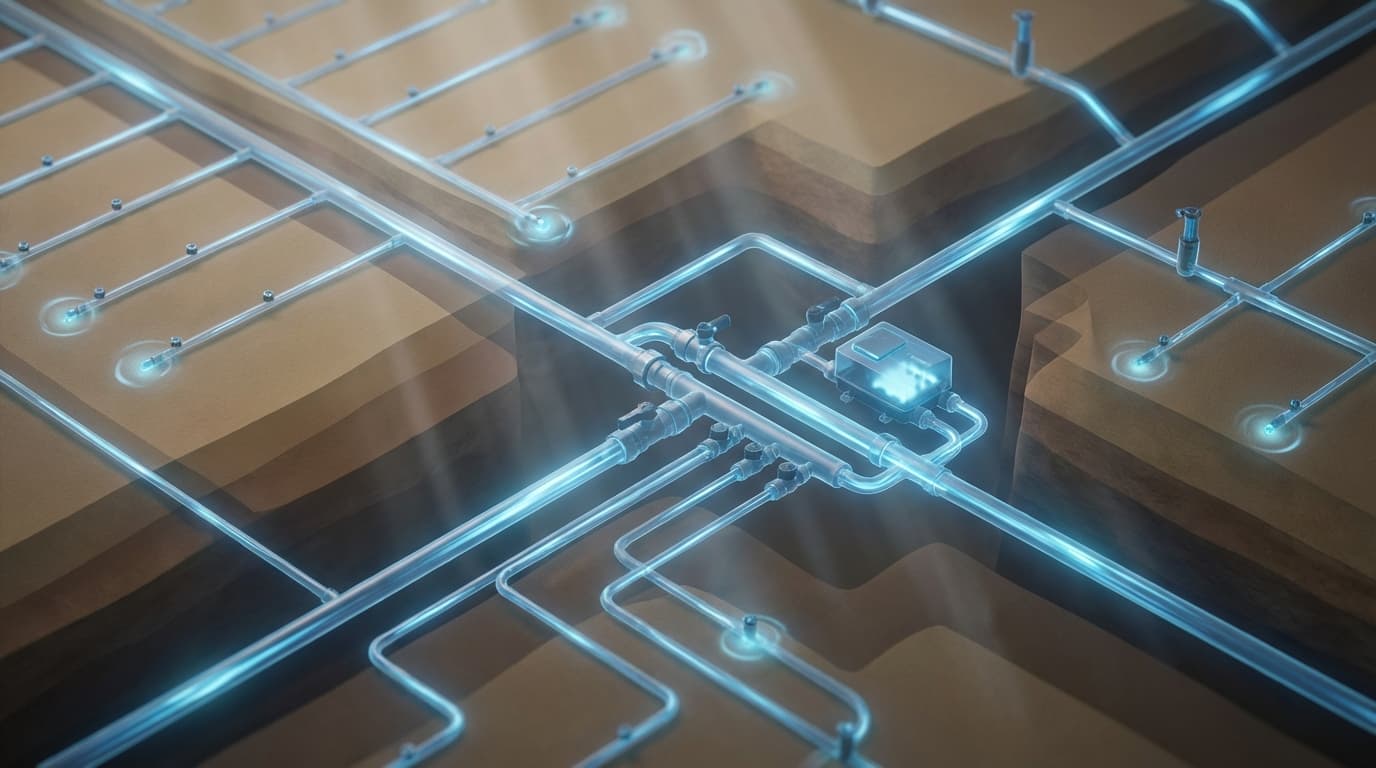
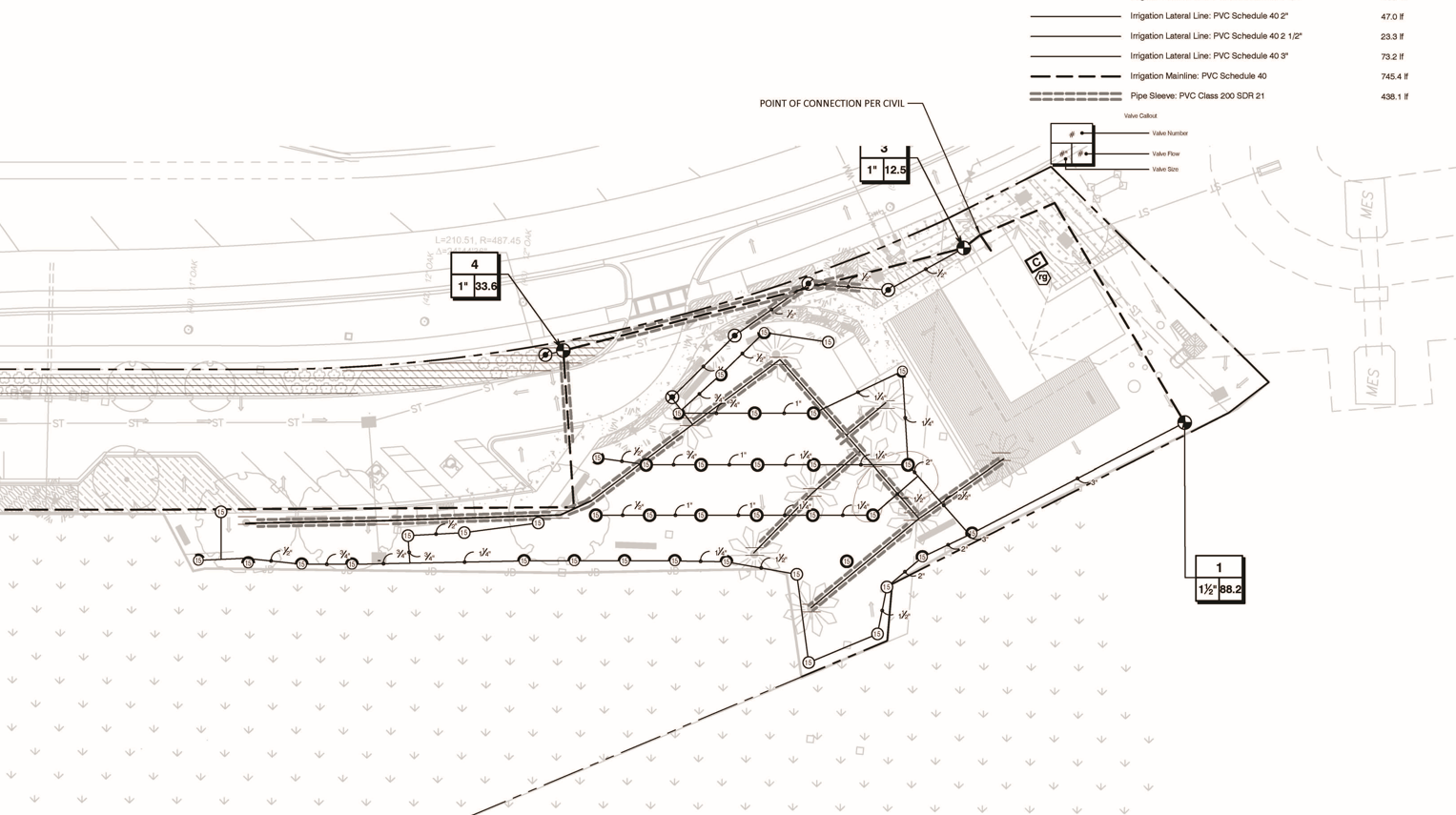
The fix is to bridge the flow-rate gap so a single run time serves both plant types, which takes professional design rather than trial and error. The most useful strategies are high-flow drip multipliers, using several 4 to 6 GPH emitters around each tree instead of a GPM bubbler; flow-regulated bubblers dialed down to match the drip line's soak; and 30 or 40 PSI pressure regulators so drip emitters do not blow out. These adjustments are captured in permit-level drawings that meet Florida codes. See our services or contact our team for a custom quote.
Local Soils, Local Codes
St. Augustine's sandy, Myakka-type soils move water straight down with very little lateral spread, which makes this decision especially important. Shallow, frequent watering leaves tree roots near the surface, where they buckle sidewalks and anchor poorly in storms. Deep, properly timed soaking encourages roots to push downward, and Florida codes increasingly require separate hydrozones to prevent waste. A design that matches emitters to each plant's root depth keeps every gallon working.
Mixing tree bubblers and drip lines in one zone requires matching flow rates to each plant's root depth, otherwise you will get overwatered trees or thirsty shrubs. If you want help designing or optimizing your system, explore our services or contact our team for a custom watering solution.