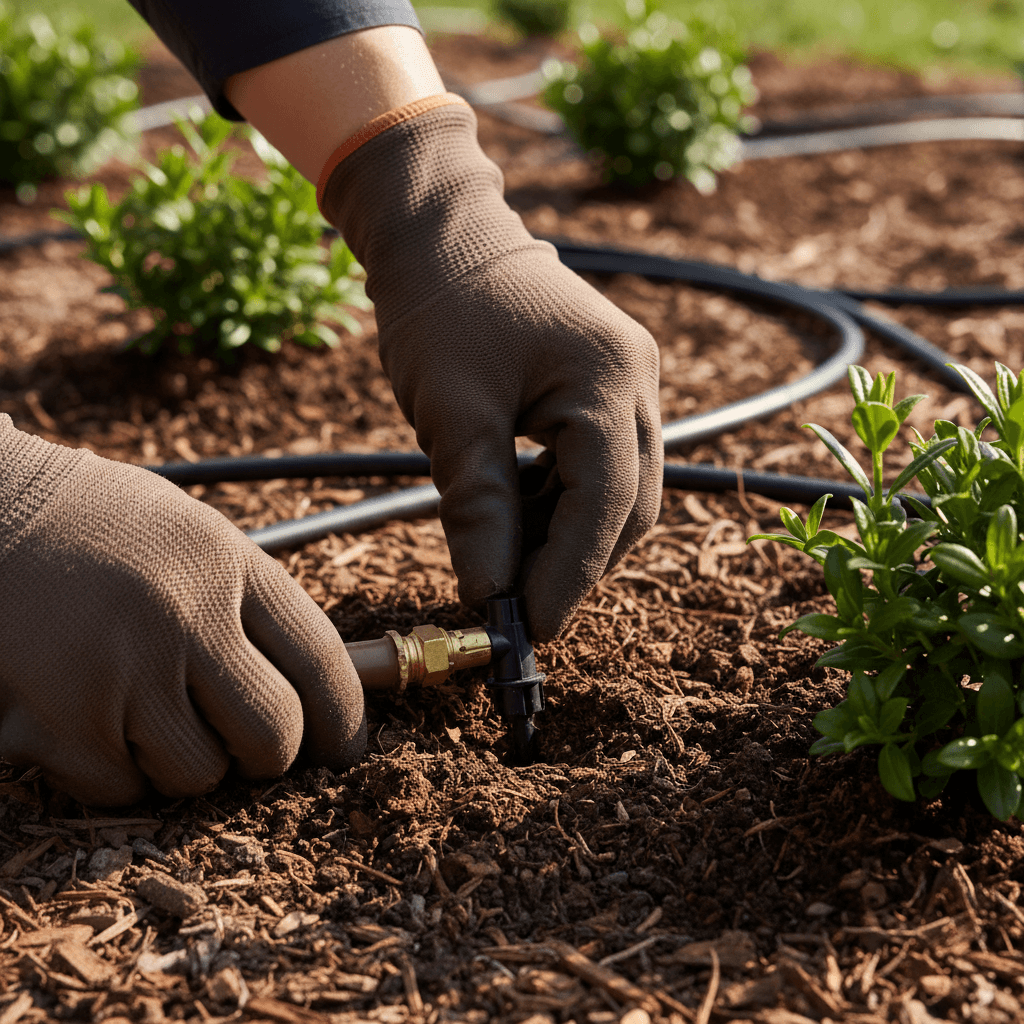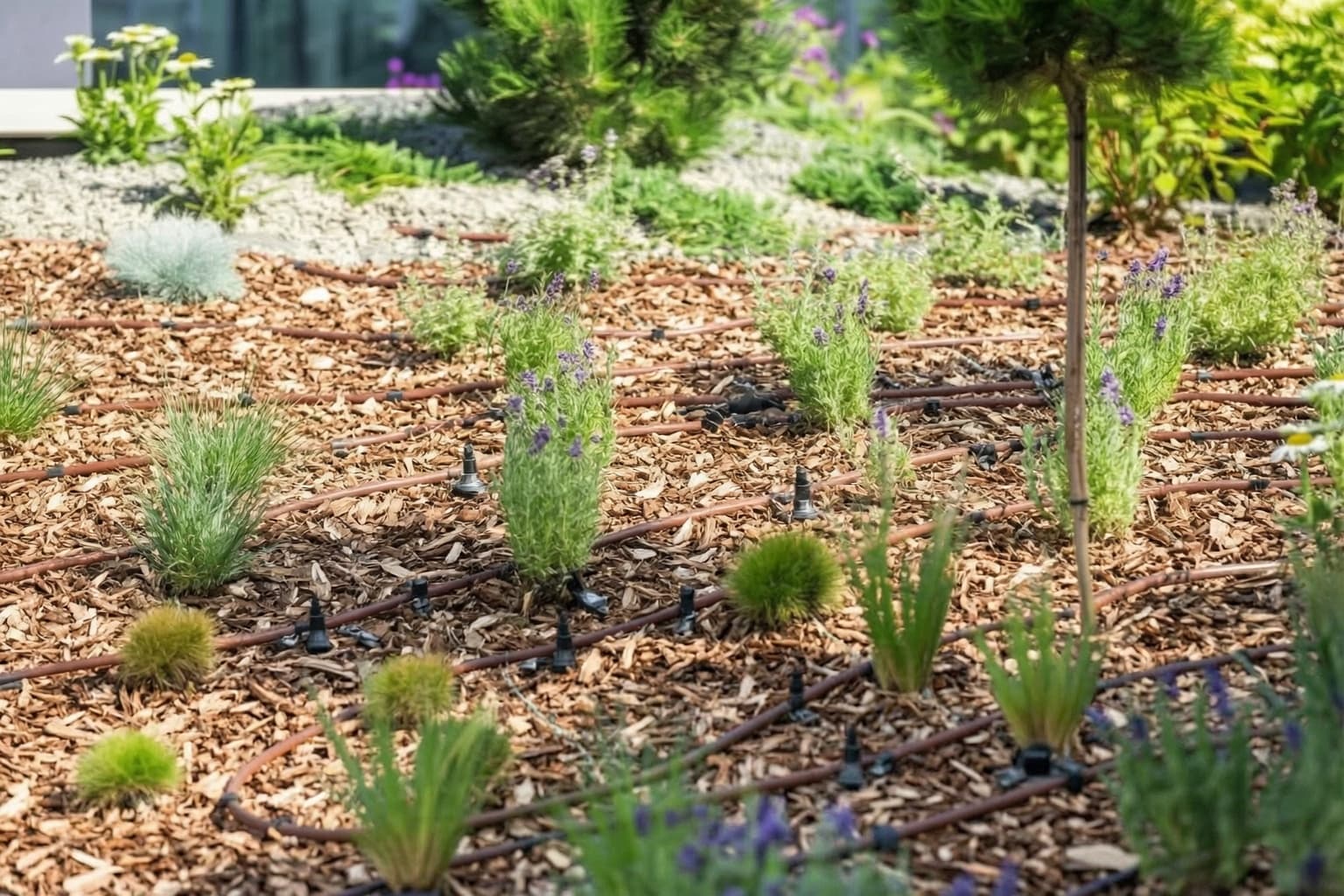
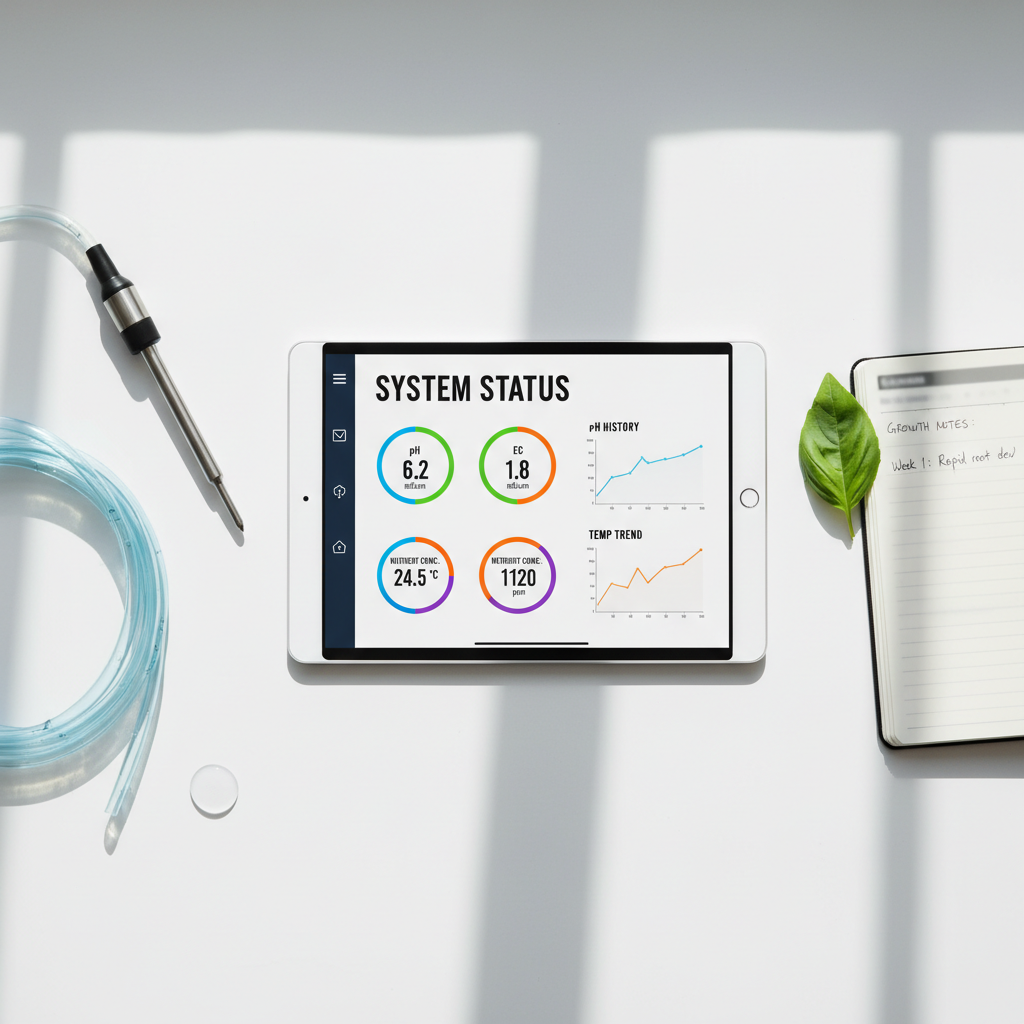
Homeowners can qualify for a smart irrigation controller rebate Florida by installing WaterSense labeled devices that use real-time weather data to optimize watering schedules. Professional design enhances these savings by integrating systems with Florida-Friendly Landscaping principles, ensuring maximum water efficiency and eligibility for local utility incentives.
A lush Florida landscape can feel like a losing battle against rising water bills and strict municipal watering rules. Many property owners install a standard clock-based controller and still watch their bill climb. The problem is rarely the technology alone.
The Real Cost of Traditional Irrigation in Florida
Residential landscapes account for roughly two-thirds of household water use in much of Florida. In high-growth regions like St. Augustine and St. Johns County, that volume often means the lawn is quietly draining the budget.
Smart irrigation controller rebates offer a way to offset these costs by encouraging weather-based technology. But a common misconception is that simply swapping the controller fixes everything.
To achieve the 30% water savings smart technology promises, the underlying system has to be properly designed first. A good controller can't compensate for poor zoning, mismatched heads, or uneven pressure.
Understanding the Florida Smart Irrigation Rebate Landscape
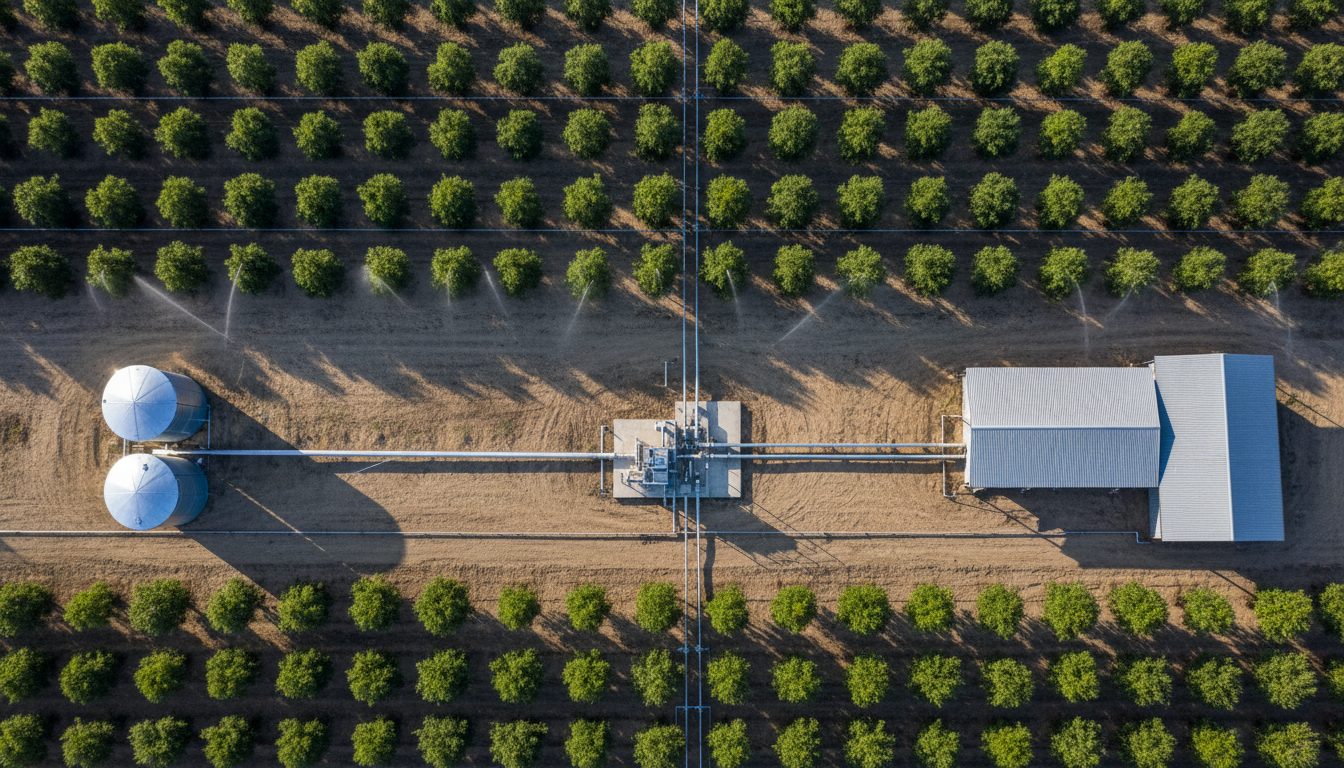
Understanding the rebate landscape in Florida means knowing both regional and municipal incentives. The St. Johns River Water Management District has offered reimbursements of up to 50% of eligible project costs for WaterSense-labeled equipment, and several local utilities offer smaller residential rebates.
Eligible costs often extend beyond hardware to include professional installation. That means the rebate can help cover work that actually meets local standards.
Technology Type | Operation Method | FFL Principle Addressed |
|---|---|---|
Weather-Based (ET) | Uses local weather data and solar radiation to calculate plant needs. | Water Efficiently |
Soil Moisture Sensor | Uses buried probes to measure real-time volumetric water content. | Protect the Waterfront |
To qualify, systems must use WaterSense-labeled products. That certification separates basic timers from advanced technology that reads evapotranspiration and local weather data.
Why Smart Controllers Fail Without Good System Design

In technology there's a phrase: garbage in, garbage out. In irrigation, it applies directly. A controller only knows what the system tells it — and if the system is flawed, the controller makes flawed decisions.
Real efficiency requires water-efficient design that addresses hydraulic limits before the first sensor is installed. Pressure differences and mismatched precipitation rates can undermine even the best controller.
A proper design starts with site-specific water source and flow rate data. While a DIY controller swap offers minor convenience, a well-planned design delivers consistent, measurable savings.
How Good Drawings Fast-Track Rebate Approval
The administrative side of a rebate is often the biggest barrier. Programs want proof that the upgrade meets their standards, and vague documentation slows the process down.
For larger residential or commercial projects, the St. Johns River Water Management District expects granular detail to justify a significant cost offset. Accurate drawings tied to real water source and flow rate data make that approval faster.
Calculating the ROI: Gallons Saved and Bill Reduction
Investing in a smart controller is ultimately a long-term financial decision. The savings begin with immediate reductions in the water bill.
For community managers and larger developments, the impact is even bigger. Replacing outdated controllers across multiple zones adds up to a meaningful reduction in outdoor water use — which directly lowers the property's utility costs.
Scale of Project | Estimated Annual Water Savings |
|---|---|
Average Residential | Up to 15,000 gallons |
Large HOA/Commercial | Up to 30% of total outdoor water use |
The return improves further with local incentives. When an upgrade is paired with a properly engineered system, the savings compound over the life of the landscape.
Common Pitfalls in Smart Irrigation Implementation
Critics often point to connectivity issues or bad sensor data as the main downsides of smart irrigation. In practice, those problems almost always trace back to installation and design, not the technology itself.
Sensor placement is a common point of failure. A weather or soil sensor installed in a rain shadow — under a deep eave or below dense canopy — reads false conditions and throws off the whole schedule.
These complications are avoidable with site-specific planning and sound technical work. Integrating real flow rate data and water source specs keeps the system working as intended.
Florida irrigation rebates are a smart financial move, but the real value comes from a system designed for long-term efficiency — so the savings show up every single month.