
Implementing a professional water-efficient irrigation design Florida reduces utility costs and conserves resources by utilizing zone-specific scheduling and smart weather sensors. These specialized systems prevent unnecessary overwatering while ensuring local landscapes receive the precise amount of hydration needed to thrive in the state's unique climate.
Property owners across Florida frequently face a frustrating paradox; they watch their monthly utility bills climb while their landscapes struggle to survive the intense heat and porous, sandy soil. Conventional irrigation setups often fail because they lack the precision required to manage our unique environmental demands. Professional planning is not a luxury; it is a critical requirement for resource conservation and long-term cost control. This article examines the essential principles of water-efficient irrigation design, ranging from the integration of modern conservation technology to the complexities of meeting jurisdictional codes. We will discuss how accurate flow rate data and professional permit-level drawings protect your investment. By the end, you will understand how specialized planning ensures a resilient landscape while significantly reducing your operational expenses.
Why Florida Landscapes Demand Specialized Irrigation Planning
Florida’s environment presents a unique set of variables that make water-efficient irrigation design Florida a technical necessity rather than a luxury. In St. Augustine, we manage exceptionally high evapotranspiration (ET) rates, which is the combined process of water evaporating from the soil and transpiring from plant tissues. Because local solar radiation and humidity levels are intense, landscapes lose moisture far faster than in temperate regions. A generic irrigation layout designed without these variables in mind will inevitably lead to plant stress or significant water waste.
The sandy soil prevalent across St. Johns County creates an additional layer of complexity. Sandy soils are composed of large particles that allow water to drain rapidly, resulting in a very low water-holding capacity. When irrigation systems apply water too quickly or in volumes that exceed the soil's infiltration rate, the water simply leaches past the root zone. This renders the irrigation ineffective and carries fertilizers away from the plants, often leading to nutrient runoff into local waterways.
East Coast Water Systems addresses these challenges by moving away from standard, one-size-fits-all installations. We utilize 10 years of experience to provide professional irrigation design rooted in site-specific data. By gathering actual water source flow rates and pressure levels, we create CAD file integration models that precisely match hardware performance to Florida’s heat and soil profiles. This data-driven approach ensures that every set of permit-level drawings we produce is engineered for the specific hydraulic and environmental realities of the local landscape.
The Core Principles of Water-Efficient Irrigation Design Florida

Elite irrigation design moves beyond simple coverage and enters the realm of hydraulic engineering. To achieve true water-efficient irrigation design Florida standards, three fundamental principles must govern the layout: head-to-head coverage, hydrozoning, and matched precipitation rates.
Head-to-head coverage ensures that the spray from one sprinkler head reaches the base of the adjacent head. This 100 percent overlap is critical because every sprinkler head has a profile where water distribution is naturally lighter immediately surrounding the nozzle. Without this calculated overlap, designers are often forced to over-irrigate an entire zone just to compensate for a single dry patch, leading to massive water waste and increased susceptibility to fungal diseases in the over-saturated areas.
Hydrozoning is the practice of grouping plant materials with identical water requirements into dedicated zones. A common failure in amateur planning is mixing high-water-demand turfgrass with drought-tolerant ornamental shrubs on the same valve. Through professional irrigation design, we separate these zones to ensure that each plant group receives the precise volume of water it needs to thrive. This prevents the root rot often seen in ornamental beds that are subjected to the same frequent watering schedules as St. Augustine grass.
Furthermore, matched precipitation rates (MPR) are essential for uniform water application. If a full-circle head and a quarter-circle head are on the same zone but deliver water at the same flow rate, the quarter-circle area will receive four times as much water as the rest of the zone. Elite design utilizes specific MPR nozzles to ensure every square foot of the zone receives water at the same speed, regardless of the spray arc or radius.
East Coast Water Systems utilizes CAD file integration to execute these principles with mathematical certainty. By mapping these technical requirements within a digital environment, we eliminate the guesswork inherent in field-designed systems. This precision ensures that the hydraulic pressure is balanced across all lateral lines, providing a consistent and reliable landscape solution that adheres to the highest industry standards.
Modern Technology in Florida Water Conservation
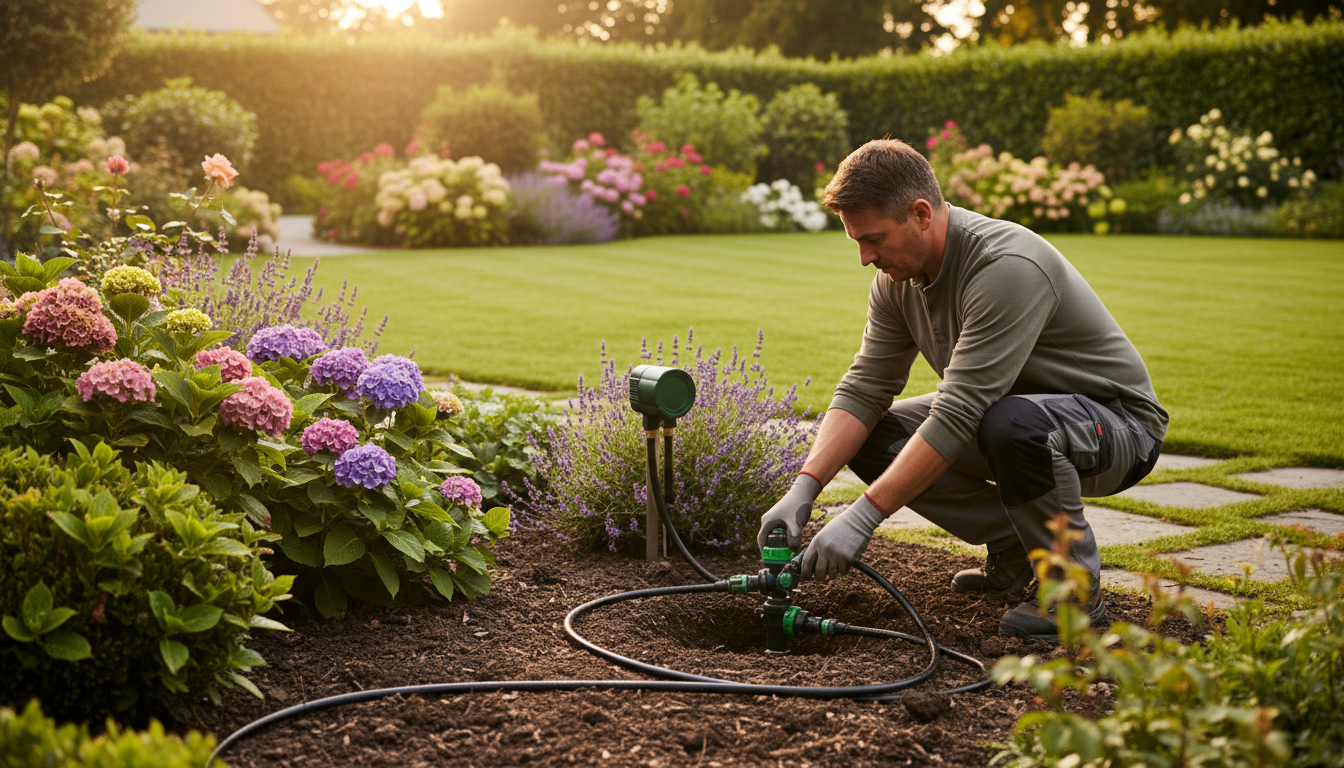
The mathematical precision of a hydraulic layout is only as effective as the technology controlling it. While traditional timers operate on rigid schedules, they often conflict with St. Augustine’s erratic weather patterns. Modern water-efficient irrigation design Florida leverages smart irrigation controllers (SICs) that act as the brain of the system. Unlike basic timers, these units utilize weather-based data to adjust watering cycles in real time. This is particularly vital during the summer months, where a heavy afternoon thunderstorm can provide more than enough hydration for the day. A smart system recognizes this input and bypasses the scheduled run, preventing the common sight of sprinklers running during a downpour.
Feature | Traditional Timers | Smart Controllers / Sensors |
|---|---|---|
Scheduling | Fixed intervals | Weather-based adjustments |
Rain Response | Manual override required | Automatic bypass via sensors |
Water Efficiency | Lower; prone to over-watering | Higher; matches plant demand |
Soil Integration | None | Real-time moisture monitoring |
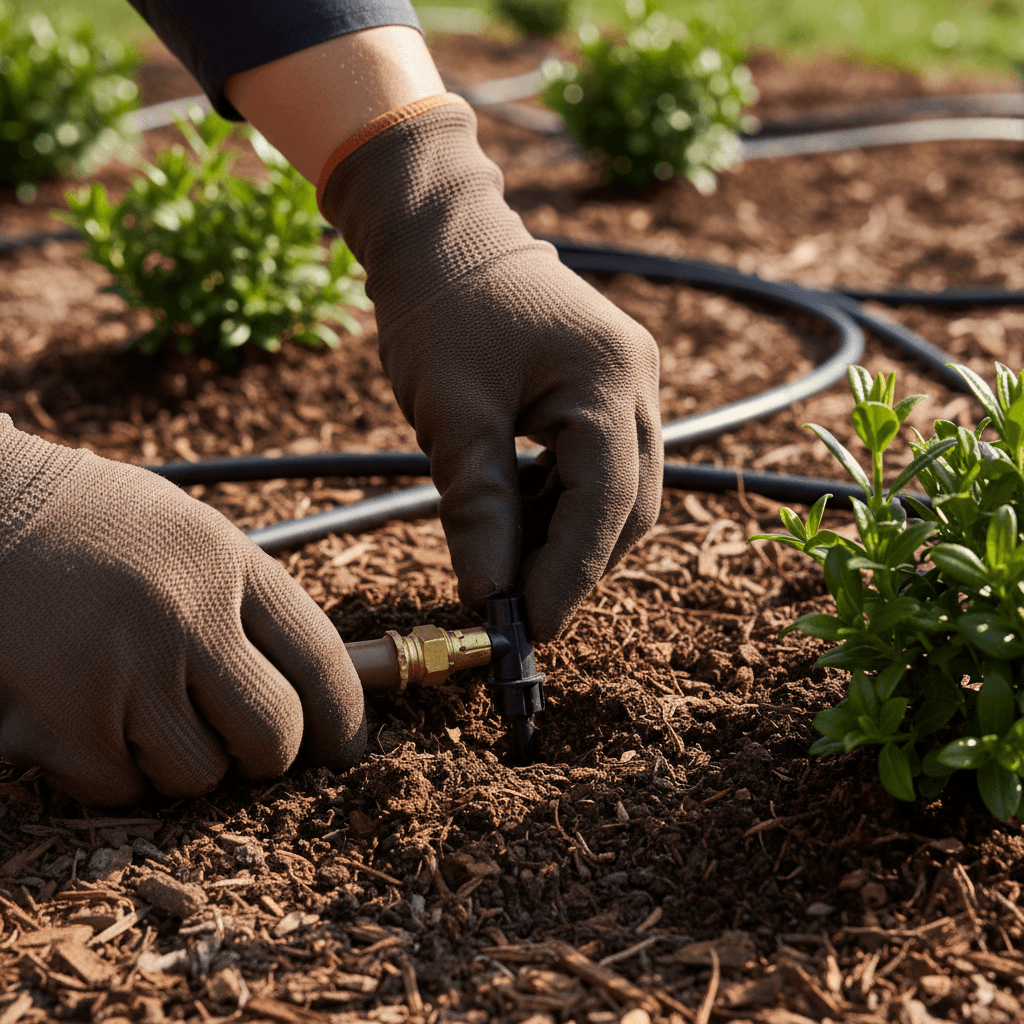
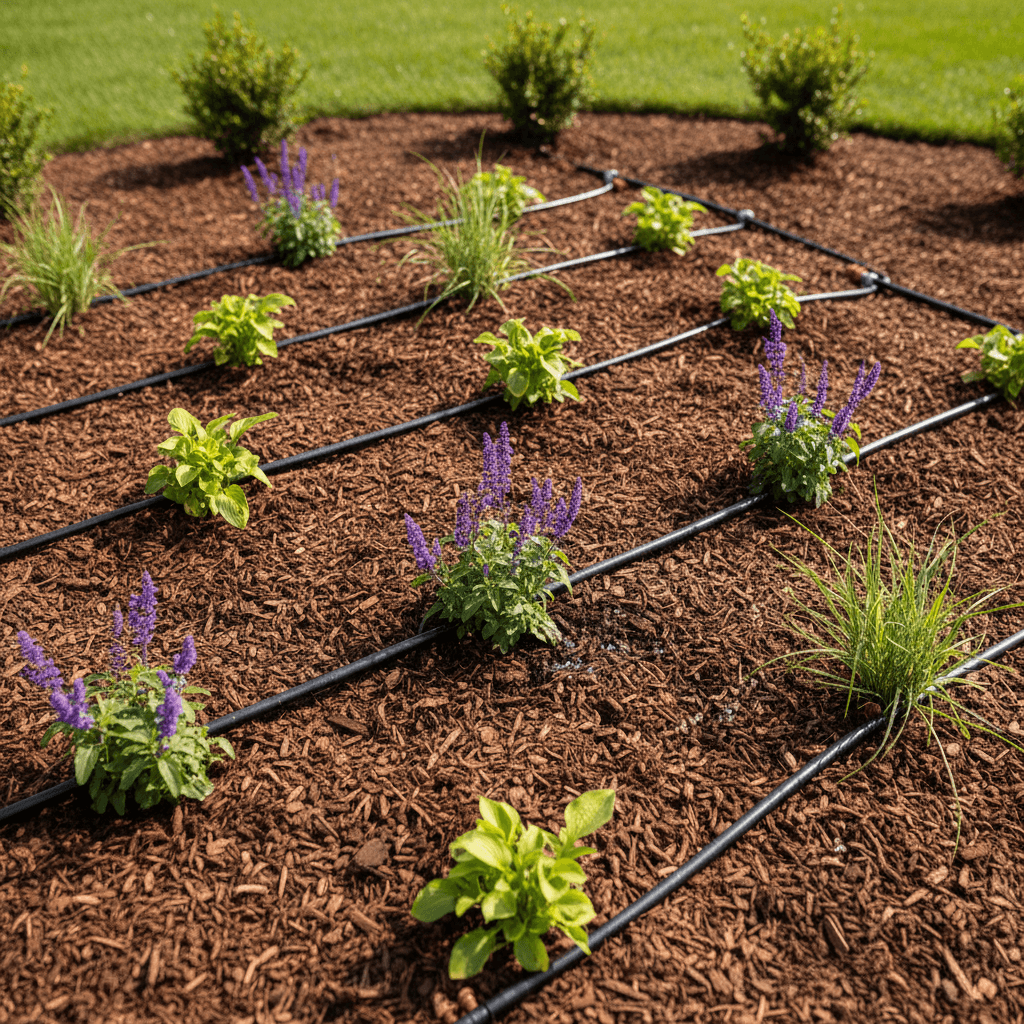
Integrating soil moisture sensors further refines this process. These probes measure the volumetric water content in the root zone, ensuring the system only activates when the sandy St. Johns County soil truly requires it. For ornamental beds, we prioritize drip irrigation over high-volume spray heads. By delivering water directly to the base of the plant through emitters, we virtually eliminate the loss caused by wind drift and evaporation, which are major factors in our high-heat environment.
East Coast Water Systems utilizes CAD file integration to embed these specific hardware requirements into the professional irrigation design phase. We map out the exact placement of drip lines and sensor arrays, ensuring they are accurately represented in the permit-level drawings. This level of detail allows for a seamless transition from a high-tech plan to a functioning, conservation-minded landscape.
Permit-Level Drawings and Meeting Florida Jurisdictional Codes

Navigating the regulatory landscape in St. Johns County requires more than just a conceptual sketch. For new developments and commercial projects, local municipalities and the St. Johns River Water Management District (SJRWMD) mandate strict adherence to water conservation standards. A professional irrigation design must demonstrate compliance with specific irrigation efficiency rules, including maximum water application rates and precise zone separation. Without permit-level drawings, projects often face significant delays during the site plan review process.
East Coast Water Systems specializes in producing technical documentation that satisfies these jurisdictional requirements. By utilizing CAD file integration, we produce drawings that align perfectly with the architectural and civil engineering layers of a master plan. This level of detail is vital for city planners and builders who need to verify that the proposed system will not interfere with existing utilities or violate local landscape ordinances. These elite drawings provide a clear blueprint for inspectors, ensuring that the final installation matches the approved water-efficient irrigation design Florida specifications. This proactive approach to documentation prevents the costly revisions and field adjustments that frequently occur when designs lack the necessary technical depth for permit approval.
Calculating the ROI: Lower Costs Through Better Design
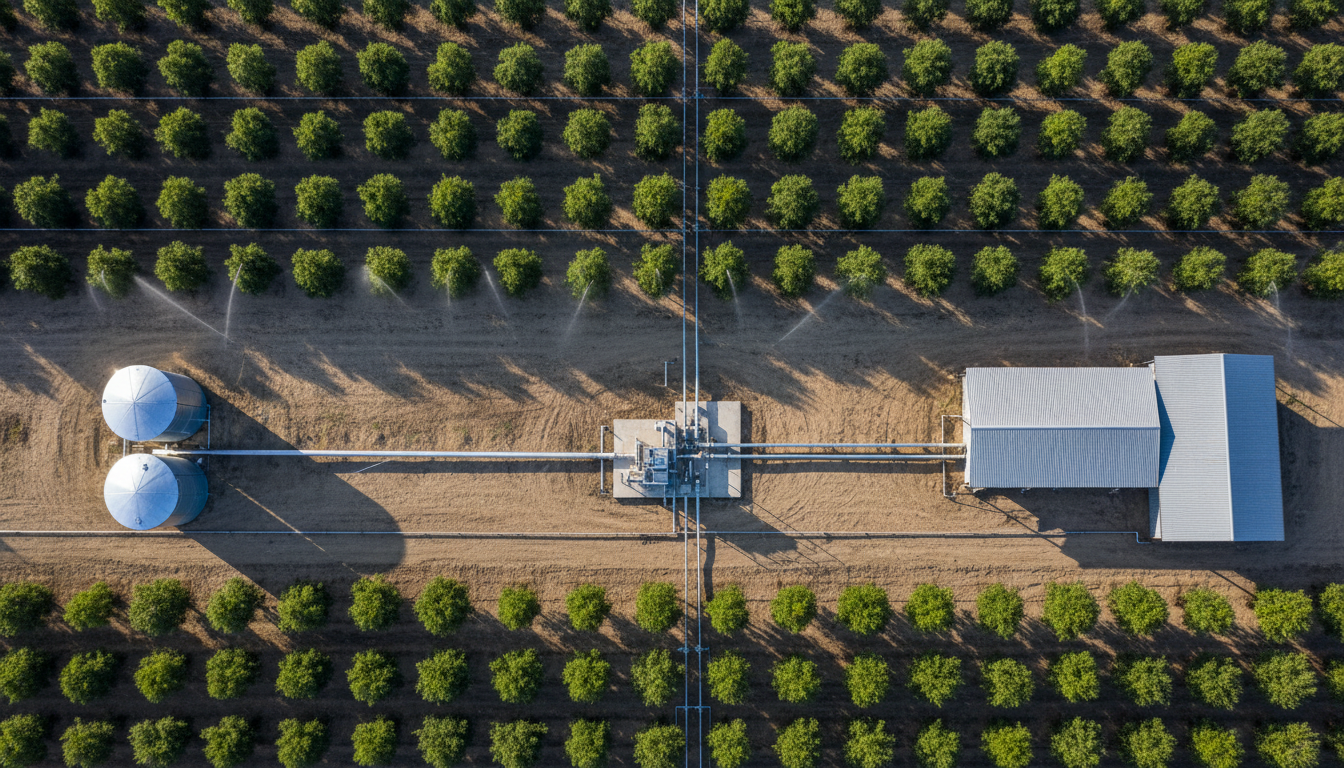
Professional documentation serves as the blueprint for long term financial performance. Investing in a water-efficient irrigation design Florida residents can rely on yields a return that far exceeds the initial design fee. By eliminating hydraulic inefficiencies and over-spray, property owners typically see a 20 to 30 percent reduction in water consumption. In the context of St. Augustine utility rates, this translates into significant monthly savings that compound annually.
Beyond the meter, the ROI is reflected in landscape longevity. Our 10 years of experience has shown that the primary cause of plant failure in St. Johns County is improper hydration, not just heat. A balanced system prevents the costly cycle of replacing sod and ornamental palms that have succumbed to root rot or drought stress. Additionally, systems designed via CAD file integration ensure that pumps and valves operate within their optimal pressure ranges, reducing mechanical wear and extending the life of the infrastructure. When the time comes to sell, providing a buyer with permit-level drawings and a professional irrigation design adds tangible value to the property. It demonstrates that the exterior assets are managed by an engineered, sustainable system rather than a series of undocumented field patches.
The Importance of Accurate Water Source and Flow Rate Data
The financial benefits and technical precision discussed previously are only achievable when the foundation of the design is built on verified field data. In St. Augustine, water sources vary significantly between municipal connections and private wells. A successful professional irrigation design begins with a rigorous assessment of static pressure (PSI) and a flow rate test (GPM) at the source. Guessing these values is a common cause of system failure. If a plan assumes a 15 GPM flow but the site only provides 10, the resulting pressure drop prevents sprinkler heads from fully extending or achieving the necessary spray radius.
East Coast Water Systems uses this site-specific data to calculate friction loss through pipes and valves before a single trench is dug. By integrating these metrics into our CAD file integration workflow, we ensure that the hydraulic demand of each zone never exceeds the actual capacity of the water source. This data-driven approach is a core component of water-efficient irrigation design Florida projects require to avoid the hidden costs of post-installation retrofits. When the permit-level drawings accurately reflect the site's hydraulic reality, the final system operates at peak efficiency from the first day of service, eliminating the need for expensive booster pumps or zone reconfigurations.
Choosing a Professional Irrigation Designer in St. Augustine
Selecting a partner for your project requires distinguishing between a design-first firm and an installation contractor who builds by intuition. Elite water-efficient irrigation design Florida projects rely on professional irrigation design completed before a single trench is dug. Choosing a firm that offers CAD file integration ensures every hydraulic calculation is precise and repeatable, eliminating the inconsistencies of field-sketched layouts.
Furthermore, specialists who produce permit-level drawings navigate the specific St. Johns County landscape codes, preventing regulatory delays. A formal design provides a standardized blueprint, allowing you to solicit competitive bids from multiple installers while ensuring the final results remain consistent with the original engineered specifications. This separation of design and labor protects the property owner, ensuring that the installed system meets the verified flow rate and pressure requirements of the site.